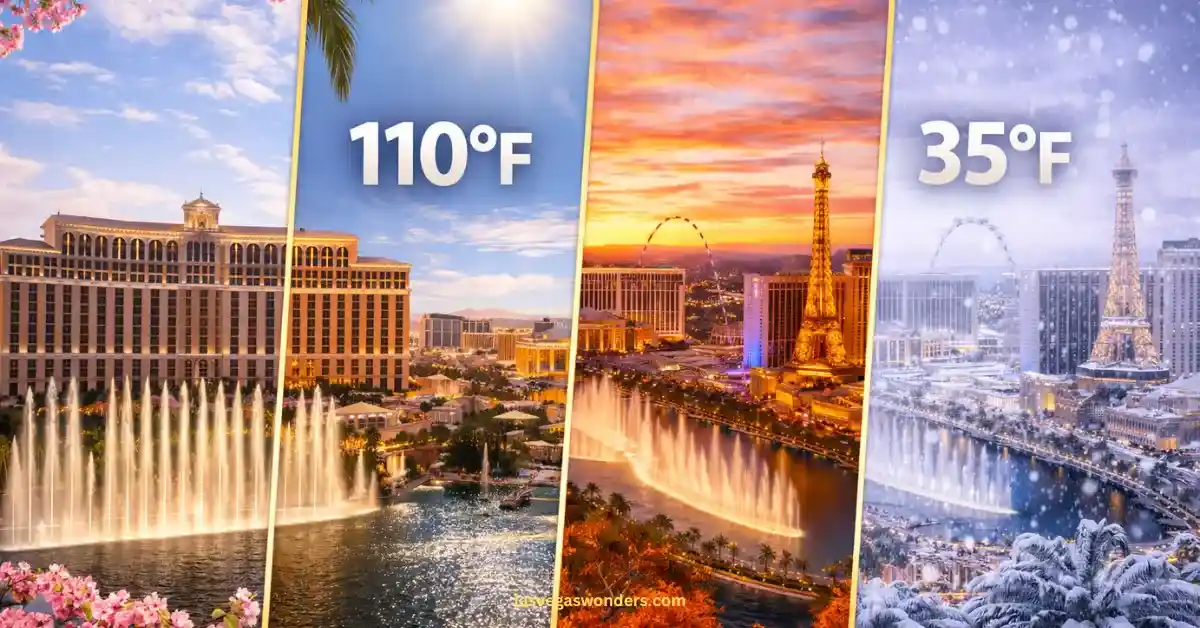
Las Vegas, the dazzling oasis in the Mojave Desert, beckons millions of visitors annually with its promise of entertainment, fine dining, and unforgettable experiences. But for first-timers and seasoned travelers alike, understanding the city's unique climate is crucial to planning the perfect trip. Far from being perpetually scorching, Las Vegas weather experiences a dramatic seasonal variation, transitioning from intense summer heat to surprisingly brisk winter chills and idyllic spring and fall days.
The secret to an extraordinary Las Vegas adventure lies in knowing what to expect from the climate during your visit. This comprehensive guide will break down the seasonal weather patterns, offering insights, tips, and recommendations to help you choose the best time to visit the Entertainment Capital of the World, ensuring your trip is as comfortable as it is exhilarating.
Spring: The Golden Season (March - May)
For many, spring reigns supreme as the absolute best time to visit Las Vegas. The weather during these months is often described as near-perfect, offering a delightful balance for both outdoor exploration and enjoying the city's myriad attractions. As the desert begins to awaken, average high temperatures in March hover around a pleasant 70°F (21°C), making it ideal for strolling the Strip without breaking a sweat. Evenings can still be refreshingly cool, with lows around 49°F (9°C), so a light jacket or sweater is advisable if you plan to be out after dark.
As spring progresses into April and May, the temperatures steadily climb. By May, you can expect average highs to reach a warm 89°F (32°C), signaling the onset of summer's heat but still maintaining comfortable conditions for most activities. Nights in May remain agreeable, averaging around 66°F (19°C). This period offers sunny, crisp mornings that evolve into beautifully warm days and comfortable nights. It’s the perfect time to explore beyond the casinos, perhaps hitting the scenic trails of Red Rock Canyon National Conservation Area or enjoying a round of golf on one of Las Vegas's world-class courses. The mild conditions make leisurely walks along the iconic Las Vegas Strip an absolute pleasure.
Tips for Spring Visitors:
- What to Pack: Layers are key! Bring light jackets or sweaters for cooler evenings, comfortable walking shoes, and lighter attire for daytime.
- Activities: Enjoy outdoor dining patios, explore Fremont Street Experience, hike at nearby state parks, or relax by a hotel pool before the intense summer heat sets in.
Summer: Embracing the Desert Heat (June - August)
Summer in Las Vegas is not for the faint of heart – it's an experience in extremes. The city truly lives up to its desert location during these months, with temperatures often soaring. On average, Las Vegas experiences at least 70 days a year where the thermometer climbs above 100°F (38°C). The peak of summer, particularly mid-July, is the hottest period, with daily temperatures typically ranging from a scorching 80°F (27°C) to an astonishing 120°F (49°C). The highest temperature ever recorded in Las Vegas was a blistering 117°F (47°C) on July 10, 2021.
While the air is generally very dry, the sun's power is immense. Occasionally, you might even catch a monsoon storm in mid-July, bringing brief but intense downpours and dramatic skies, though the heat typically returns quickly. Many visitors wonder about navigating Las Vegas weather: summer heat to winter chill, and in summer, it's all about strategic planning and staying cool. The sheer length of the Las Vegas Strip, which spans over 4 miles, combined with the deceptive closeness of casinos, means that walking long distances outdoors is not recommended during the hottest parts of the day.
Tips for Summer Visitors:
- Stay Hydrated: Drink plenty of water. Electrolyte-rich drinks can also be beneficial.
- Sun Protection: Generously apply high-SPF sunscreen, wear wide-brimmed hats, and sunglasses.
- Seek AC: Plan your day around air-conditioned environments. Duck into casinos, shops, and restaurants frequently. Pool time is essential but seek shade often.
- Nightlife Focus: Many activities and the city's famous nightlife truly come alive after sunset when temperatures are relatively milder, though still warm.
- Indoor Activities: Take advantage of world-class shows, indoor shopping malls, spas, and casino gaming.
Fall: Comfort and Clarity (September - November)
Just like spring, the fall months in Las Vegas offer a magnificent respite from the intense summer heat, making it another prime season for a visit. As September arrives, the scorching temperatures begin to recede, transitioning into beautifully clear, warm days and comfortable, often crisp, evenings. The climate mirrors that of spring, providing an ideal backdrop for a wide range of activities without the extreme conditions of summer or the potential chill of winter.
September still carries some residual warmth from summer, with average highs comfortably in the 90s, but by October, the weather becomes truly delightful. Expect highs in the low to mid-80s, gradually cooling into the 70s by November. The nights become pleasantly cool, perfect for enjoying outdoor patios or an evening stroll. This season is perfect for exploring the vibrant arts district, attending outdoor concerts, or embarking on longer excursions to nearby natural wonders like the Valley of Fire State Park, where the vibrant red Aztec sandstone truly glows under the clear fall skies.
Tips for Fall Visitors:
- Packing: Similar to spring, pack layers. Long-sleeved shirts for daytime sun and light jackets for evenings are perfect.
- Activities: Excellent for hiking, golfing, enjoying outdoor concerts, exploring Hoover Dam, and extended walks along the Strip.
Winter: Surprisingly Chilly Charm (December - February)
Despite its desert location, many first-time visitors are surprised by Las Vegas weather during the winter months. The myth that it's hot all year round is quickly debunked. January is typically the coldest month, with temperatures ranging from a brisk 37°F (3°C) to a mild 57°F (14°C). While the average high during winter is around 57°F, chilly evenings can dip to an average low of 39°F, making for quite a stark contrast from the daytime.
The Las Vegas metro area, particularly at higher elevations, even experiences rare snowfall, adding a unique, often whimsical, touch to the desert landscape. Despite the chill, winter in Las Vegas still offers ample sunshine, providing bright, clear days. It's an excellent time to visit if you prefer cooler temperatures, fewer crowds than peak spring/fall, and are focused on indoor entertainment, shows, and world-class dining.
Tips for Winter Visitors:
- What to Pack: Don't forget warmer clothing! Bring a good jacket, sweaters, long pants, and potentially a scarf or gloves, especially if you plan to be out at night.
- Activities: Perfect for indulging in Broadway-style shows, exploring museums, enjoying fine dining, holiday events (if visiting in December), and indoor attractions. Outdoor activities are still possible but require appropriate attire.
Making Your Decision: The Best Time for Your Las Vegas Adventure
Ultimately, the best time to visit Las Vegas largely depends on your personal preferences and what you hope to experience. Each season offers a distinct flavor and set of opportunities:
- For Ideal Weather & Outdoor Activities: Spring (March-May) and Fall (September-November) are the undisputed champions. These seasons provide the most comfortable temperatures for exploring everything Las Vegas and its surrounding natural beauty have to offer.
- For Budget Travelers & Pool Enthusiasts: Summer (June-August) can often bring lower hotel rates due to the extreme heat. If you're content with spending your days by the pool, in air-conditioned casinos, or enjoying vibrant nightlife, the summer heat might not deter you. Just be prepared and plan accordingly for hydration and sun protection.
- For Cooler Temps & Indoor Focus: Winter (December-February) is perfect for those who prefer cooler weather, a focus on indoor entertainment, and potentially fewer crowds (outside of major holidays). The crisp air adds a different kind of charm to the neon-lit city.
No matter when you decide to visit, understanding the nuances of Las Vegas weather will empower you to pack appropriately, plan your itinerary wisely, and make the most of your trip. From scorching desert highs to surprisingly chilly lows, Las Vegas truly is a city of climatic contrasts, promising a unique experience with every season.
Whether you're planning a romantic getaway, a friends' trip, or a solo adventure, Las Vegas stands ready to entertain. By aligning your visit with the seasonal weather that best suits your style, you're guaranteed a memorable and comfortable journey into the heart of entertainment.